Soul Searching in Long Island Wine Country
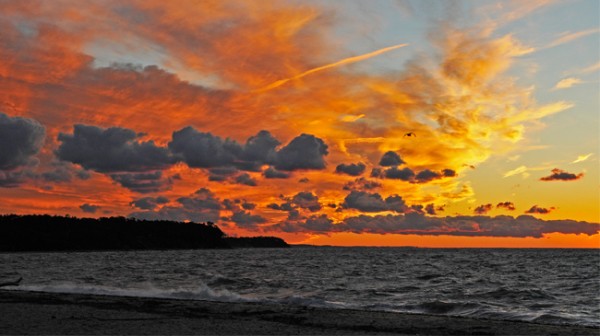
In the afternoon light, an October drizzle fell over our beachfront rental house. Satisfied by a cool glass of white Merlot, I stared out the picture window at Long Island Sound and savored the good sense of a North Fork vacation.
For my family, the place was hard to top. The East End – Long Island’s farther out points – holds countless charms, and the North Fork in particular brims with stunning local produce, friendly farmer-producers and raw beauty. It’s a complete wine getaway within modest driving distance of our borders.
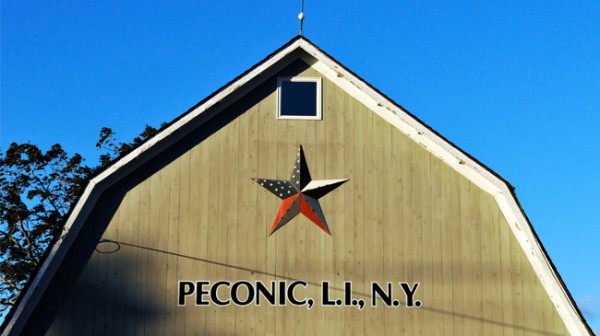
During the stay in Peconic, we covered ample ground: Drives across the length of the island, ferry rides, the many meetings with winemakers. We dug hungrily into the thriving locavore movement, swooning over the fresh and deliciously simple foods we practically hauled in, basket by cornucopian basket. There were brightly-colored root veggies from Latham’s farm stand, pungent goat cheese from Catapano Dairy Farm and the fat, succulent duck that Long Island is renowned for.
Of course, there were untold stems of red and white at wildly varied – and often adjacent – wineries that seemed to occupy two sides of a scale; an evolving identity crisis in an emerging region. On one side are the status wineries, understandably catering to the tastes of Manhattan, the adjacent boroughs and weekend fleets of bachelorette-crammed limousines. Alternatively, there is the calming life force of the smaller, old family farms – homey, earthy, reassuring. On a slender, 30-mile peninsula, the question stands out like pink wind turbines in the shallow waters of the Hamptons: Is there enough room for everyone?
The study of contrasts was never starker than a trio of midweek tastings. The first was hosted by Raphael with its imposing, Italian-inspired tasting room and production facility that evokes Napa, Tuscany and a dose of over-the-top New Yawkness. Family-run and friendly, with wines more earth-bound than its architectural aspirations, the experience was, well, a little incongruent.
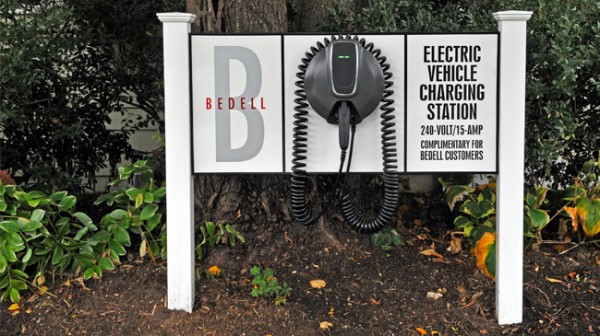
Then there was Bedell, the slickest of the North Fork lot, whose owner is co-founder of New Line Cinema and a MoMA trustee. Flush with important art and the stiff moves of a corporate winery (including an overbearing horde of PR handlers), it’s hard to deny the soaring quality of some of its offerings. Though my lovely guide touted the farm heritage of the estate’s vines, Bedell’s steely preciousness feels far more curated than country.
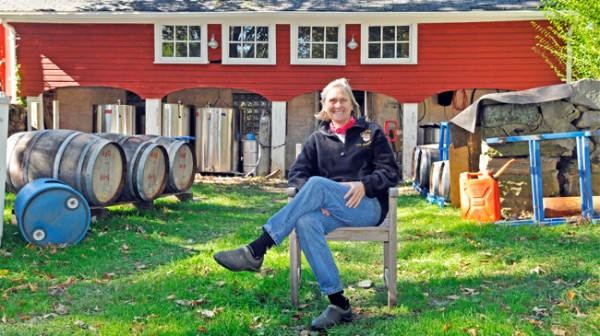
The end of the day delivered us at The Old Field, an appropriately named winery found amongst head-bobbing chickens and a collection of scattered, rickety farm buildings. It’s a place that feels just right. Maybe it’s the warm family vibe of co-owner Ros Baiz or that the wines are crafted by people who figured it out through trials with the land and the marketplace, made mistakes but ultimately got to where the product speaks for itself: A little earthy, a little fruity, honestly made. Oh, and they eschew the temptation to stage nightly music and other crowd-drawing gimmicks.
The region’s identify crisis aside, there are exciting wines to be found within its shores. Underpinning the quality are enviable growing conditions, explained Tom Morgan, wholesale director at Lenz Winery. The North Fork rests on the same parallel as the Rhone, and growing season temperatures are very similar to those of St. Emilion or Pomerol. The leveling effects of the water (the narrowness of the North Fork ensures close proximity to sound and bay from all locations), ample sunshine, good drainage and flat, gravelly-sandy-loam-clay soils inject plenty of benefit into the vines. According to most wine people on site, the land also imparts an x-factor referred to as saline minerality.
“One of the things that always gets overlooked is the water…we’re surrounded by water…it moderates, and that’s why we can grow vinifera,” confirmed winemaker Greg Gove of Peconic Bay Winery. “It’s not just Chardonnay and Merlot – that gets a lot of the attention – but we do well with Riesling…(and) this year we brought in Sauvignon Blanc. We have Viognier. Cab Franc does well.”
There’s an elegance to the wines and a complex quality that’s less evident outside cool climate growing conditions. That is, the wines are vessels for fruit and terroir and typically don’t burden the drinker with battering alcohol levels. Although the East End’s northeast maritime climate naturally delivers a less bombastic grape, New York’s oddball laws patrol wines’ alcohol content all the same. The ceiling is legally set at 14 percent, but, according to some, the government doesn’t have the inclination to enforce limits. Described as the “North Fork way,” lower alcohol is at home alongside acidity and the fortifying minerality that penetrates the spectrum from reds and sparklers to the lively whites. (For a prime example, check out the Lieb Pinot Blanc that has populated PLCB stores for about a year.)
Change on horizon? Whether the smaller, farm-centric wineries will survive will likely be determined by their ability to hold firm in the face of rising real estate prices. “As the reputation grows, more and more people are coming in both to invest…and participate,” noted John Roselli of Mattebella Vineyards.
“A lot of people are trying to stay relatively small,” said Baiz of The Old Field. She described the generational shift impacting the North Fork’s vinicultural space: “There are a lot of (wineries where) there’s nobody around to take them over, which is a great worry for everybody. Because nobody’s going to be able to buy (them) at 80 to 100,000 (dollars) an acre.”
Roselli thinks oversaturation will take a toll. “The quality of wine…is increasing steadily,” he said. “It’s going to continue and I think there will be a shakeout…among wineries. Fifty-five might be too many for this region. There’s a lot of new, small operations…A lot of the winemakers here have three or four ventures going. So, inevitably – not now, five years, less than ten – some of them will be gone.”
There’s no doubt the North Fork is finding its level in the monetization cycle, and whether the deep-pocketed will win out is an open question. One indicator of the broadening mass appeal is the popularity of some wineries’ extracurricular activities – happy hours, concerts, theme dinners and more. It’s not difficult to notice the smaller players shifting uncomfortably in their seats.
“People call all the time saying…’What’s the entertainment…what’s happening?’ Well, actually, we’re doing wine tasting because that’s what we do,” said Baiz with a laugh before acknowledging the bottom line: “It’s hard.”
Then again, maybe it doesn’t have to be all or nothing. The melting pot of tastes and demographics keeps the market afloat, after all. Of course there’s room for the limo crowd, sidling up next to visitors in search of a bottle of barnyard blend. There’s certainly enough wine to go around.
Will the wave of the future raise all vessels of the North Fork – yachts and dinghies alike? I’m already planning my return trip to investigate.
In the next segment, I further examine the wines of the North Fork and the people who make them.