Love in the Languedoc
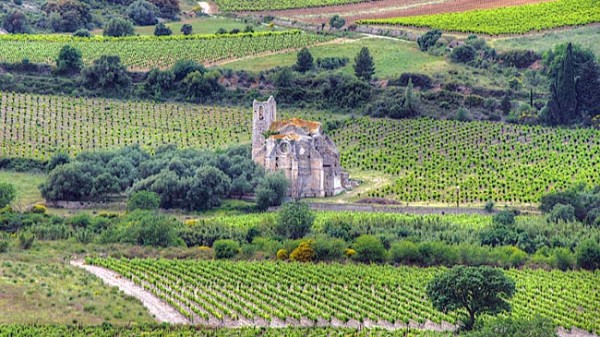
Did you know that the Languedoc – the northern part of the Languedoc-Roussillon region of France, an area which runs along the Mediterranean coast from Spain to Provence – is the single largest wine producing region in the world, responsible for more than a third of France’s total wine production? In fact, as recently as 2001, the region produced more wine than the entire USA.
Not surprisingly, this region has long focused mostly on mass production (quantity over quality), and was often seen as the major contributor to France’s wine lake, or wine surplus. Recently, however, with the influx of outside investment in cheap vineyard land, some vingnerons have begun to concentrate on producing better wines.
What that means, then, is that, if you can navigate the somewhat confusing naming conventions that obfuscate the region’s wines, amazing values are aplenty. In particular, newer sub-appellations such as Cabardes, Minervois, Corbières and St. Chinian offer consistent Rhone-style wines at bargain-bin prices.
Several such wines can currently be found in the Chairman’s program:
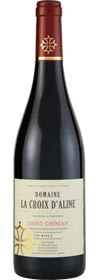 Domaine La Croix D’Aline Saint Chinian 2013 ($11.99)
There’s a real mineral quality to this, a rocky, slate-infused element that dominates both nose and palate. It’s perhaps not for everyone, but those that enjoy this type of wine will be in for a treat. It’s not without fruit, as the 30% Grenache (the rest is Syrah) does bring some red fruit to the table, especially with some air. Some air and/or a couple of years will likely soften and/or improve this already impressive value.
Domaine Sainte-Eugenie Corbieres Rouge 2011 ($8.99)
A juicy, fresh, easy drinking wine that offers just a touch of juniper berry for complexity, this is a great everyday pick at an outstanding price.
Chateau Panis Mialhe Les Eglises Minervois 2011 ($12.99)
In a wine tasting 101 class, one of the first things they teach you is that “oaky” doesn’t mean it tastes like wood. It means vanilla, or warm spices, or caramel. This wine tastes like wood. Smoky mesquite, maybe cedar, even ash. A discerning taster might peg it blind as Pinotage. There’s big cherry fruit too, in that slightly medicinal Grenache-style package, and while the woody aspect is interesting at first, it can grow tiresome.